
 English
 русский
 Türk
TürkContent
Endüstriyel üretim ve yüzey işleme dünyasında, arama sorgularında ve sektör forumlarında sürekli olarak en üst sıralarda yer alan bir soru var: "İş parçama zarar vermeden nasıl mükemmel bir yüzey elde edebilirim?" Endüstriler daha oiçinmatik ve hassaslık odaklı süreçlere doğru ilerledikçe, güç ile hassasiyeti dengeleyen araçlara olan talep de arttı. Girin Aşındırıcı Filament — otomotiv parçalarından hassas elektroniklere kadar her şeyi temizleme, çapak alma ve cilalama yöntemlerimizde sessizce devrim yaratan özel bir malzeme.
Gücün Arkasındaki Sır: Plastikten Daha Fazlası
Aşındırıcı Filament özünde yüksek performanslı bir kompozittir. Standart fırça kılı gibi görünse de iç yapısı çok daha karmaşıktır. Filamentin temeli, olağanüstü mekanik mukavemeti ve esnekliği ile bilinen yüksek kaliteli naylon malzemelerden yapılmıştır.
Bu naylon tabanlar, zorlu ortamlara dayanma yetenekleri nedeniyle özel olarak seçilmiştir. Bir fabrika ister aşırı sürtünmeyle ister endüstriyel kimyasallara maruz kalarak uğraşsın, naylon filamanın kopmamasını veya şeklini kaybetmemesini sağlar. Bu dayanıklılık, kullanıcıların "takım ömrü"ne ilişkin yaygın endişesine yanıt vermenin ilk adımıdır.
"Kum" Faktörü: Her Seviyede Hassas Taşlama
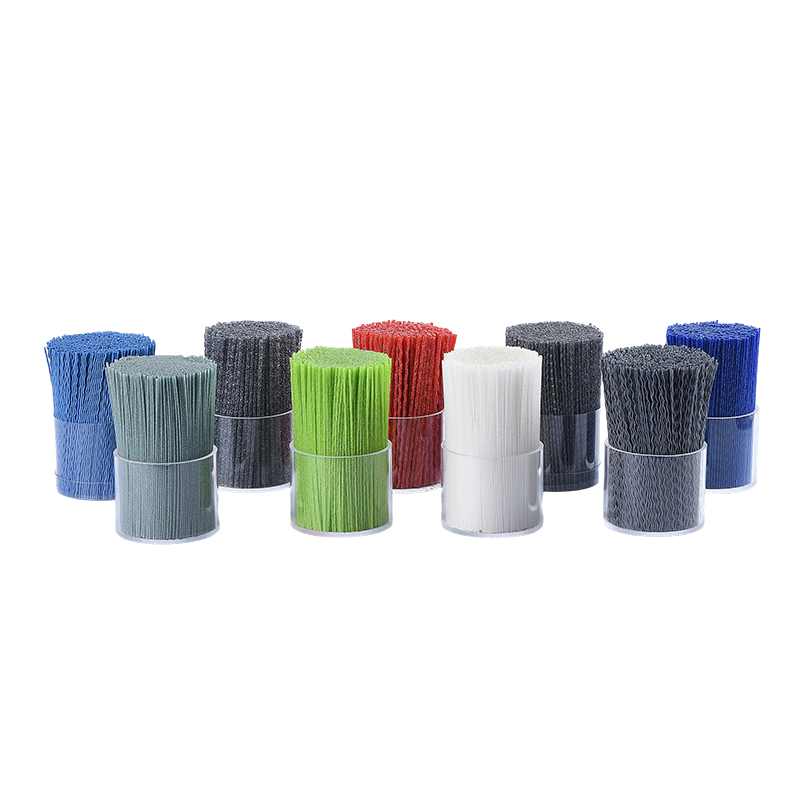
Gerçek sihir, bu naylon elyaflara yüksek kaliteli aşındırıcı parçacıklar eklendiğinde ortaya çıkar. Üreticiler sadece dış yüzeyi kaplamakla kalmıyor; kumu doğrudan naylon gövdeye entegre ederler. Bu, kullanım sırasında filaman aşındıkça taze aşındırıcı parçacıkların sürekli olarak açığa çıkması ve taşlama performansının ilk günden son güne kadar tutarlı kalmasının sağlanması anlamına gelir.
Kullanılan "kum" çeşitliliği belirli endüstriyel ihtiyaçlara göre uyarlanmıştır:
-
Silisyum Karbür: Genel amaçlı taşlama ve demir dışı metaller için idealdir.
-
Beyaz Korindon: Isı yönetiminin önemli olduğu yüksek hızlı uygulamalar için mükemmeldir.
-
Elmas ve Seramik: Maksimum sertlik gerektiren en sert yüzeyler için ayrılmıştır.
Bir parçacık boyutu aralığı sunarak 36 ağ gözü (kaba) to 800 ağ gözü (ince) Bu ürünler, ağır pasın çıkarılmasından takıların veya tıbbi aletlerin ultra ince cilalanmasına kadar her şeyin üstesinden gelebilir.
%20-30 Oranının Bilimi
Mühendislerin en sık sorduğu teknik sorulardan biri: "Ne kadar aşındırıcı çok fazla?" Çok az eklerseniz araç etkisiz olur; çok fazla eklenirse filament kırılgan hale gelir ve kırılır.
Titiz testler ve bilimsel üretim sayesinde, üst düzey endüstri standardı Aşındırıcı Filament yükleme oranında mükemmelleştirilmiştir %20 ila %30 .
Bu spesifik aralık neden önemlidir?
-
Esneklik: Naylonun bükülmesine ve kırılmadan köşelere ve yarıklara "itmesine" olanak tanır.
-
Yüzey Koruması: Kir ve oksit katmanlarını gidermek için yeterli "ısırma" sağlar ancak iş parçasında kazara oluşan derin çizikleri önleyecek kadar yumuşak kalır.
-
Isı Dağılımı: Bu oran, yüksek hızlı dönüş sırasında filamentin termal olarak stabil kalmasını sağlayarak naylonun parça üzerinde erimesini önler.
Modern Endüstrilerde Çok Yönlülük
Bu filamentler kişiselleştirilebildiği için modern üretimin hemen hemen her sektöründe kendilerine yer bulmuşlardır.
içinde otomotiv endüstrisi Motor bloklarının çapaklarını almak ve silindir kafalarını parlatmak için kullanılırlar. içinde elektronik Daha ince ağlar, gerekli iletken malzemeyi çıkarmadan devre kartı kontaklarının temizlenmesine yardımcı olur. Hatta tekstil ve kereste endüstrileri Bu filamentler ahşap ve kumaş üzerinde özel yüzey dokuları oluşturmak için kullanılıyor ve bu da uygulamalarının yalnızca kullanıcının hayal gücüyle sınırlı olduğunu kanıtlıyor.
Naylon tabanın korozyon direnci aynı zamanda bu takımların su veya soğutma yağlarının mevcut olduğu "ıslak" taşlama ortamlarında takımın bozulması veya paslanması riski olmadan kullanılabileceği anlamına da gelir.
Sürdürülebilir ve Verimli Bir Gelecek
Performansın ötesinde, Aşındırıcı Filamana geçiş aynı zamanda verimlilikten de kaynaklanmaktadır. Geleneksel taşlama taşları sert ve agresif olabilir ve neden oldukları "aşırı taşlamayı" düzeltmek için genellikle manuel ikincil cilalama gerektirir.
Ancak Aşındırıcı Filament iş parçasının şekline uygundur. Bu "kontur takip etme" yeteneği, atılan veya tahrip edilen parçaların (hurda oranı) oranını azaltır; bu, herhangi bir fabrikanın kârlılığı açısından önemli bir kazançtır. Bu, metal ve plastik yüzeyleri işlemenin daha akıllı, daha "empatik" bir yoludur.
Sonuç: Bitirme Sorunlarınızın Cevabı
Profesyoneller son işlem kalitelerini nasıl geliştirebileceklerini sorduklarında cevap, takımlarının malzeme biliminde yatmaktadır. Birinci sınıf naylonun esnekliğini kübik aşındırıcı parçacıkların ham kesme gücüyle birleştiren Aşındırıcı Filament, yüksek hızlı, modern üretimin gerektirdiği dengeli bir çözüm sunar.
İster inatçı bir oksit tabakasını kaldırmak, ister ayna benzeri bir parlaklık elde etmek isteyin, bugün mevcut olan kişiselleştirme seçenekleri, karşılaştığınız zorluk için özel olarak tasarlanmış bir filamanın mevcut olmasını sağlar.